Cavities
Small toys run in multi-cavity molds; cavity count drives the head arrangement.
Manufacture better extrusion blow moulding machines for you.
Large & technical parts
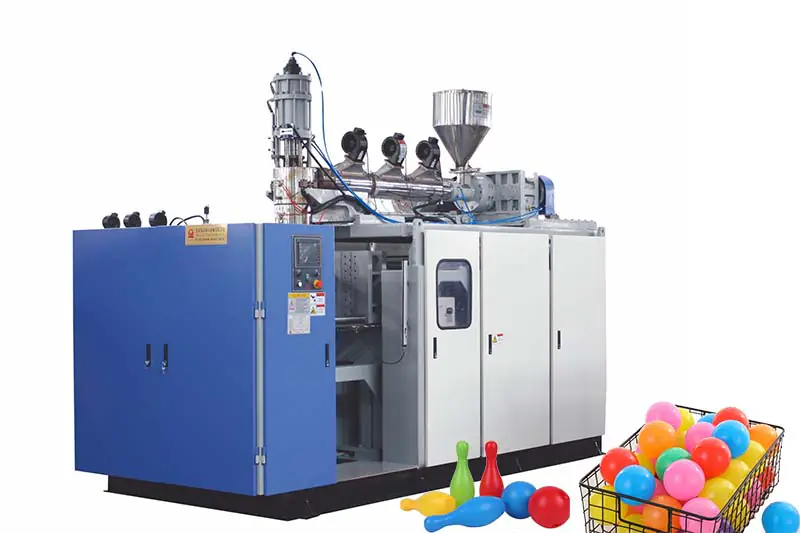
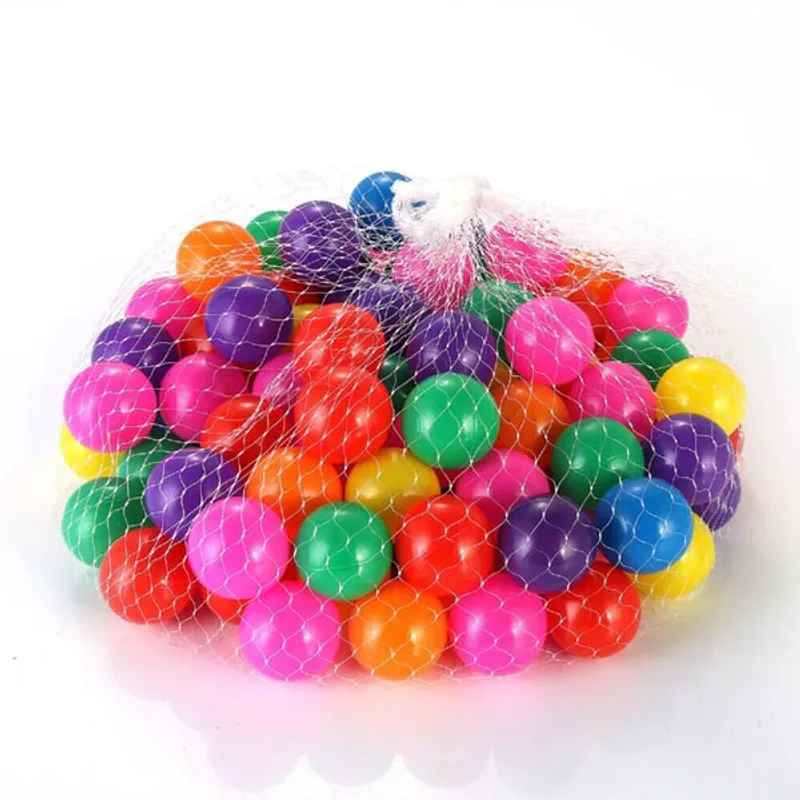
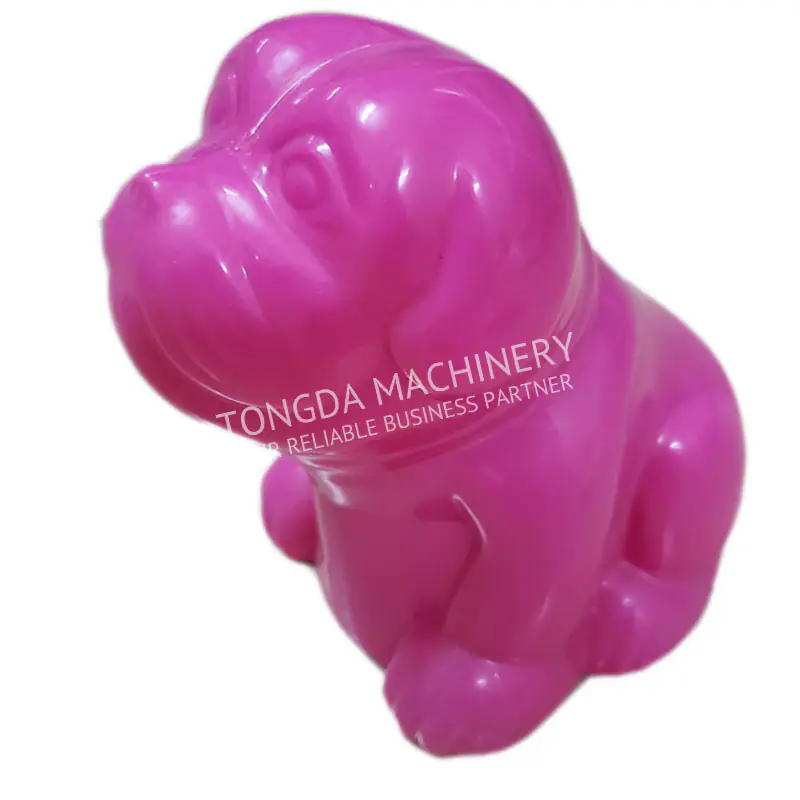
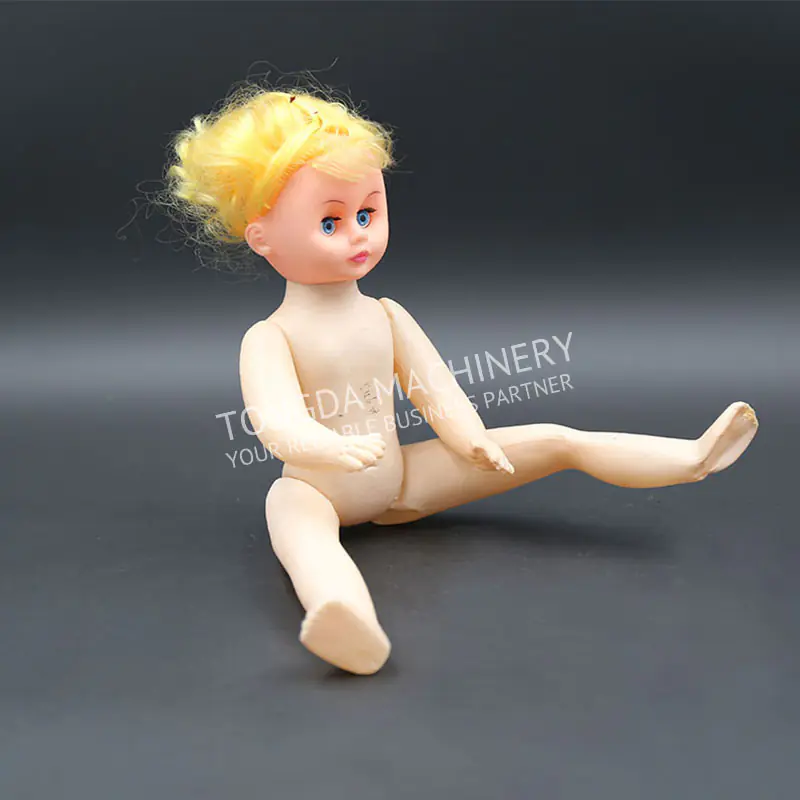
Machines for hollow balls, bowling toys and other plastic toy shapes, with published specifications and what to define for mold and heads.
In short
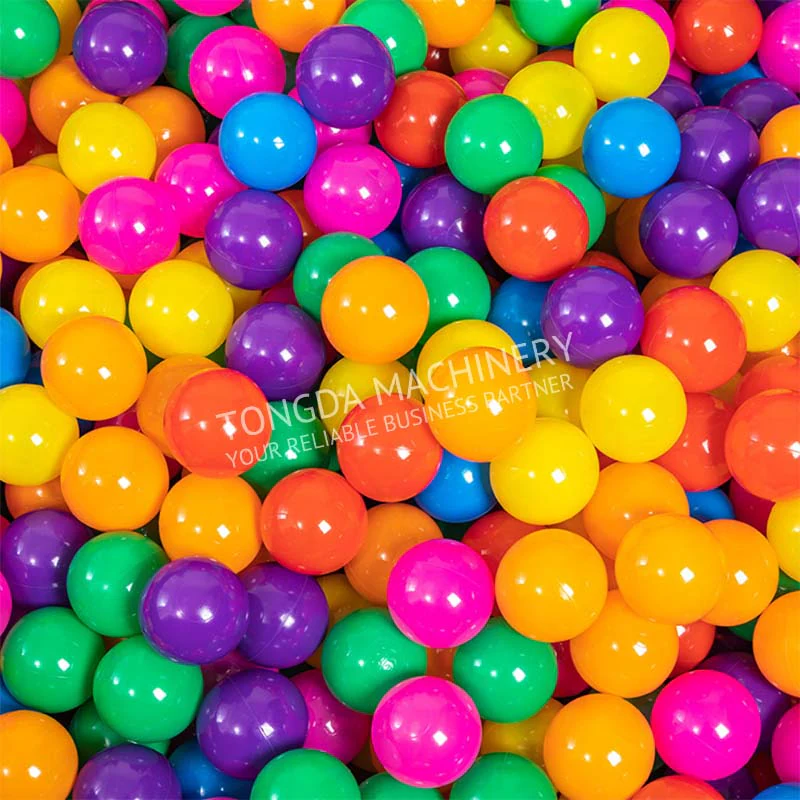
Ocean balls, bowling pins and other hollow toys are extrusion blow molded in multi-cavity molds. Tongda HT and HTS machines are matched to the toy size, cavity count and seam quality required.
The product drawing, material, mold cavities, seams and trimming requirements drive machine selection. Send representative samples and the intended quality checks when discussing a toy project.
Production process
Blow-molding grade resin, masterbatch and regrind are dosed to the product specification.
The extruder melts the material and the die head forms a hollow tube of controlled wall thickness.
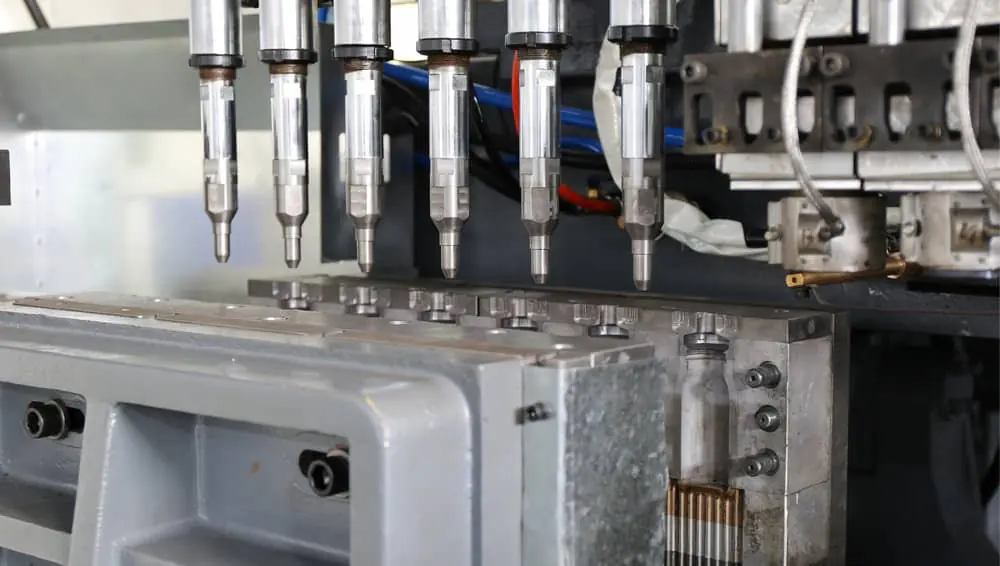
The mold closes on the parison and compressed air forms the part against the cavity.
The part cools in the mold until it holds its shape, then the mold opens and the part is removed.
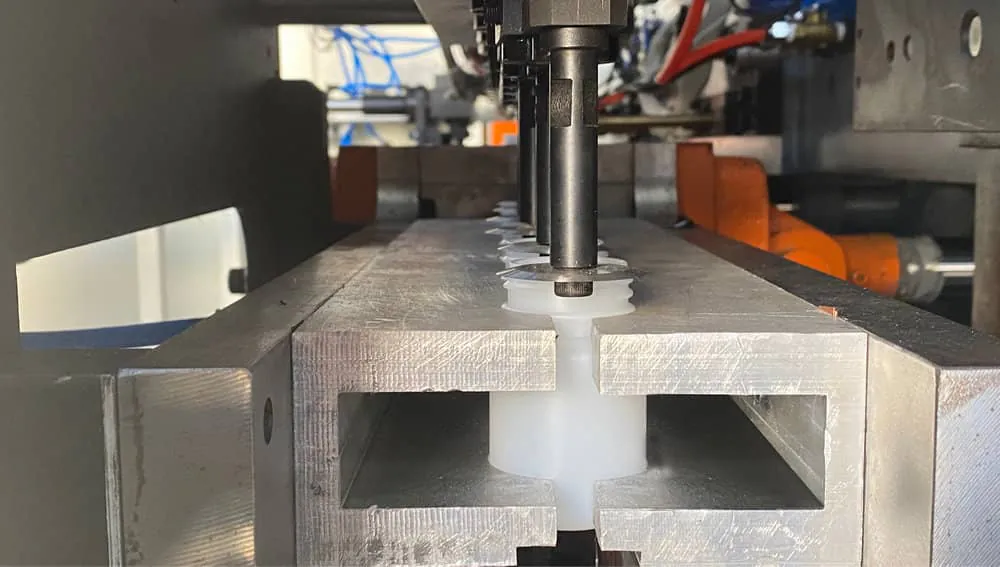
Flash at the neck, handle and base is removed; necks are cut or reamed where required.
Weight, dimensions and leak tightness are checked before labeling and packing.
Selection guide
Small toys run in multi-cavity molds; cavity count drives the head arrangement.
Clean pinch-off and trimming matter for products handled by children.
Frequent color changes favor short purge times and simple masterbatch dosing.
Toy safety testing applies to the finished product and its material.
Machine configurations
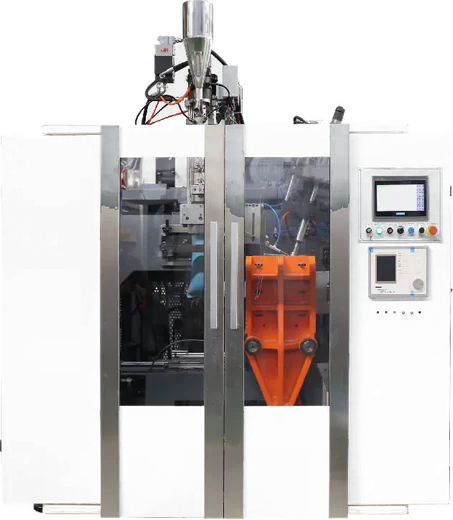
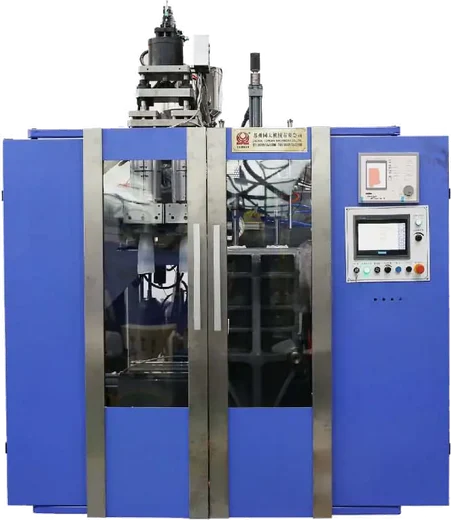
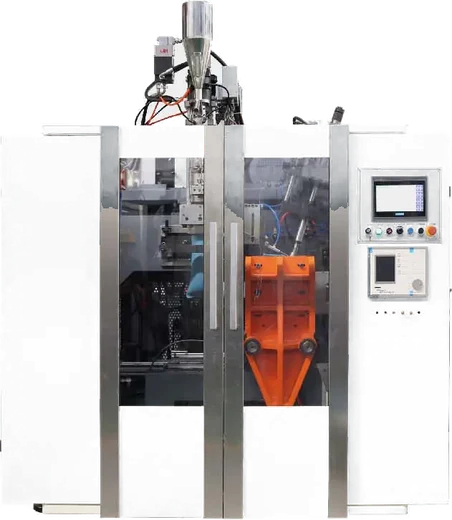
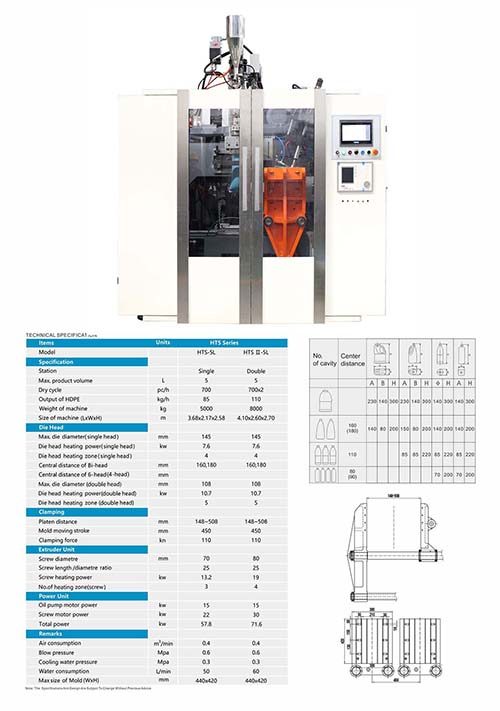
Single-station extrusion blow molding for jerry cans and smaller bottles with multi-head options.
Single-station extrusion blow molding for jerry cans and smaller bottles with multi-head options.
Double-station extrusion blow molding for jerry cans and smaller bottles with multi-head options.
| Model | Stations | Max. volume | Clamping force | Screw | Total power | Max. mold (W × H) | Datasheet |
|---|---|---|---|---|---|---|---|
| HTS-5L | Single | 5 L | 110 kN | 70 mm | 57.8 kW | 440 × 420 mm | PDF · 1.6 MB |
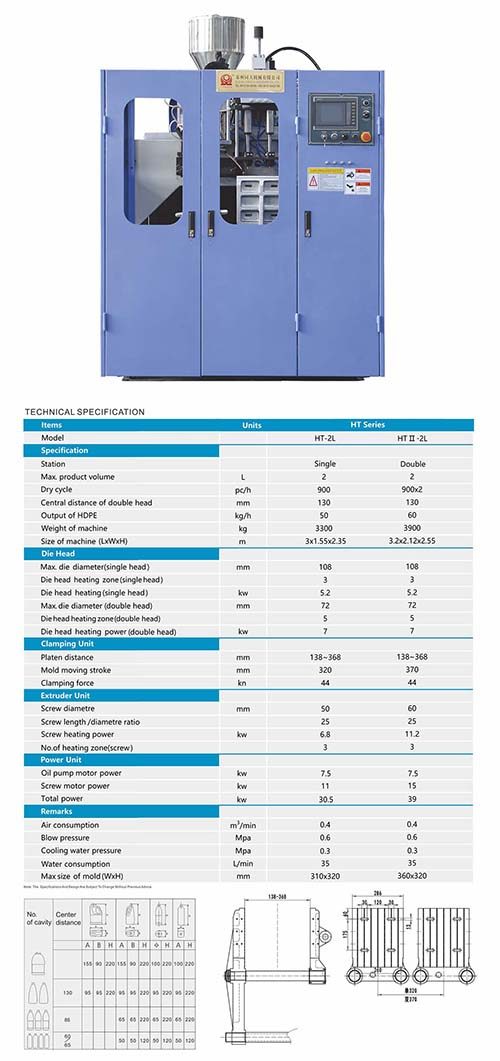
| HT-5L | Single | 5 L | 70 kN | 60 mm | 44.8 kW | 390 × 390 mm | PDF · 1.7 MB |
| HTSII-5L | Double | 5 L | 110 kN | 80 mm | 71.6 kW | 440 × 420 mm | PDF · 1.6 MB |
Suggested starting points from the published range. The final configuration depends on your product drawing, resin, weight and output target.
Quotations, prices and project cases: Tongda ocean ball machines on tongdamachine.net ↗
Machine in operation
Watch a Tongda machine producing this type of product, from parison extrusion to the finished part. For a video of a specific model or configuration, ask our team.
More machine videos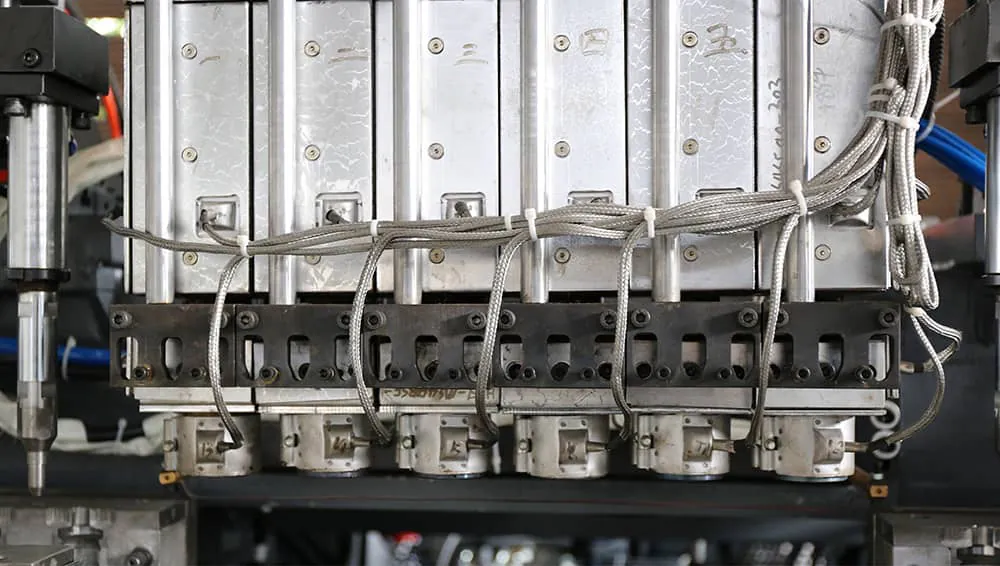
Questions from buyers
Didn't find your answer?
Ask our engineersMachines in the HT and HTS 5 L class, such as the HTS-5L, are typical for small multi-cavity toy production.
Yes. Color changes are handled with masterbatch dosing; plan purge time into the production schedule.
Certification applies to the finished toy and material in your market. The machine is configured to produce the agreed design.
Let's build your next production line
Share your container, material and production requirements. We’ll help you identify a suitable machine configuration.
Discuss your project