Volume and weight
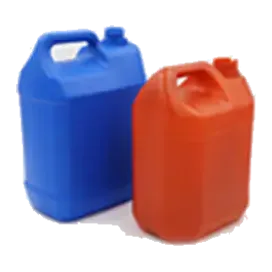
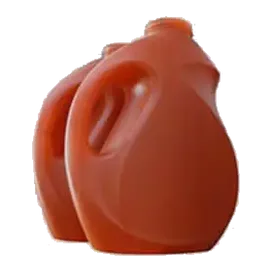
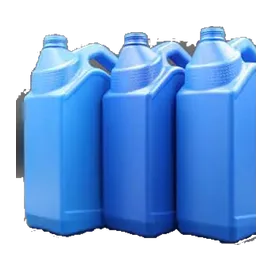
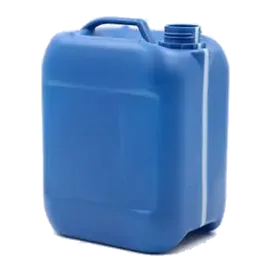
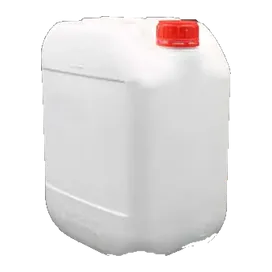
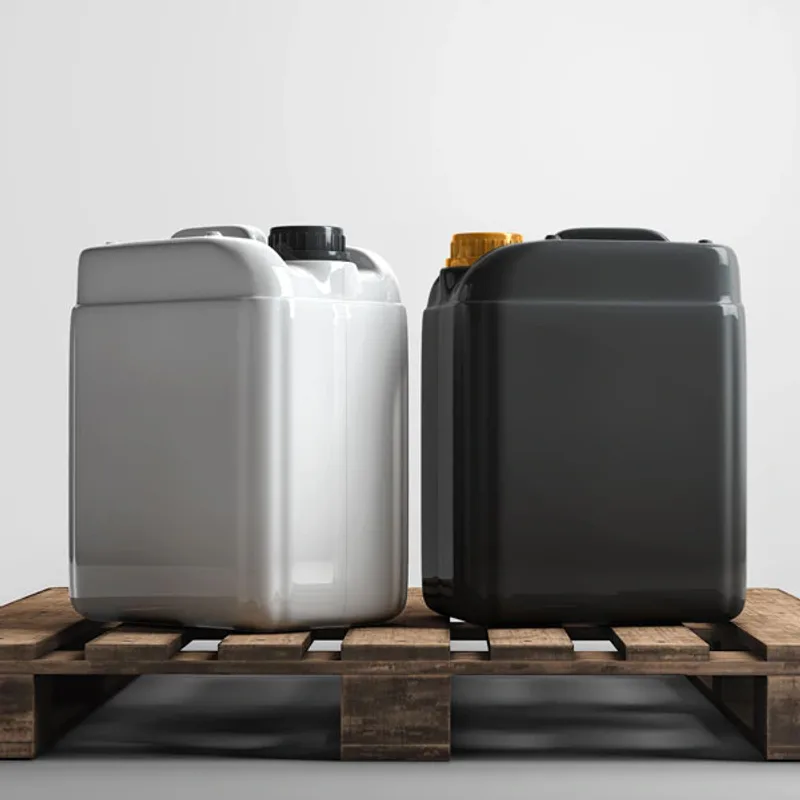
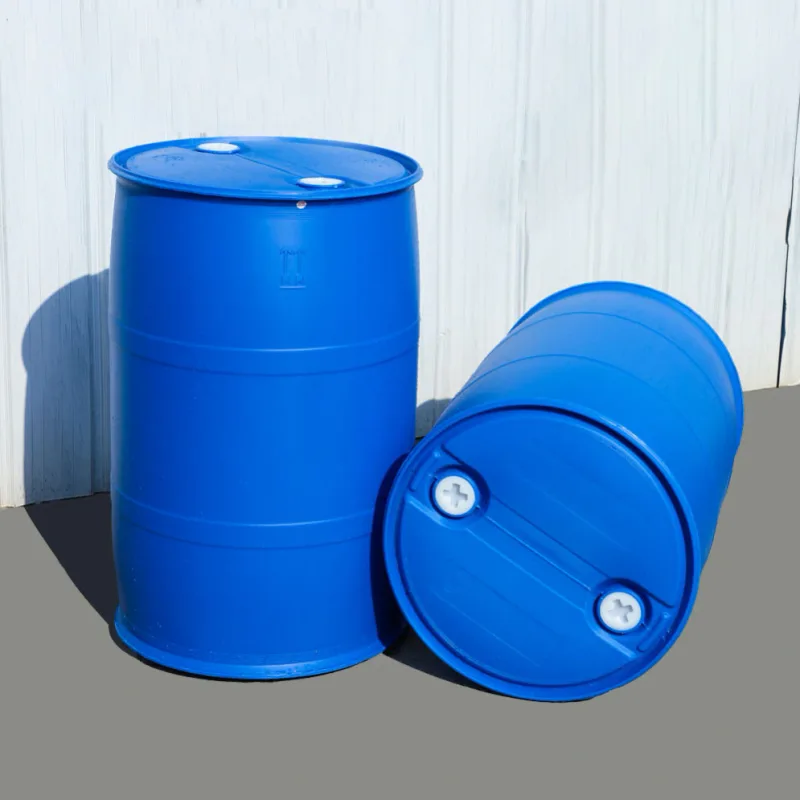
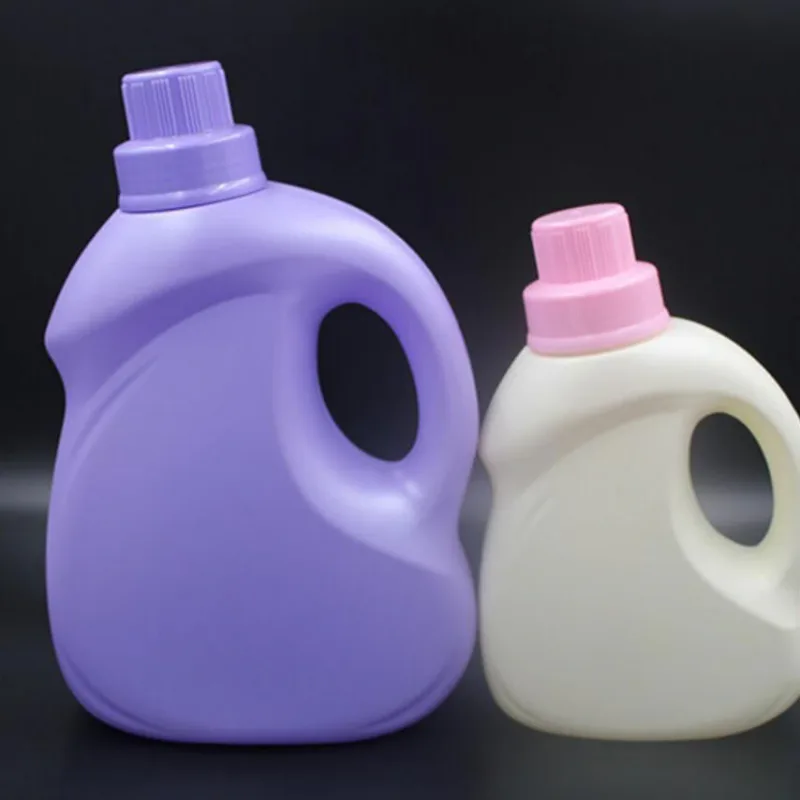
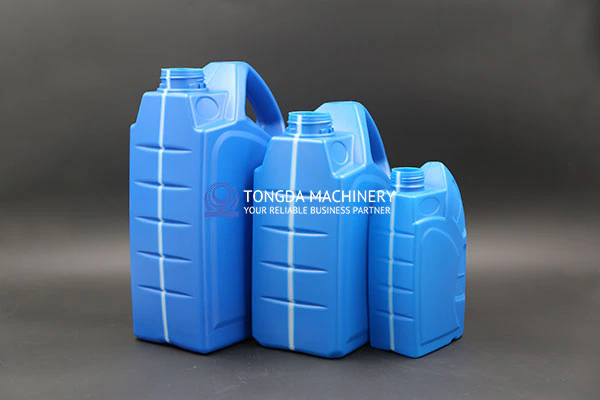
Common cans are 5, 10, 20 and 25 L; the volume and gram weight decide the model and clamping force.
Manufacture better extrusion blow moulding machines for you.
Industrial containers
Machine configurations for jerry cans from 1 to 30 L, with published specifications side by side and what to define for handle, neck and wall.
In short
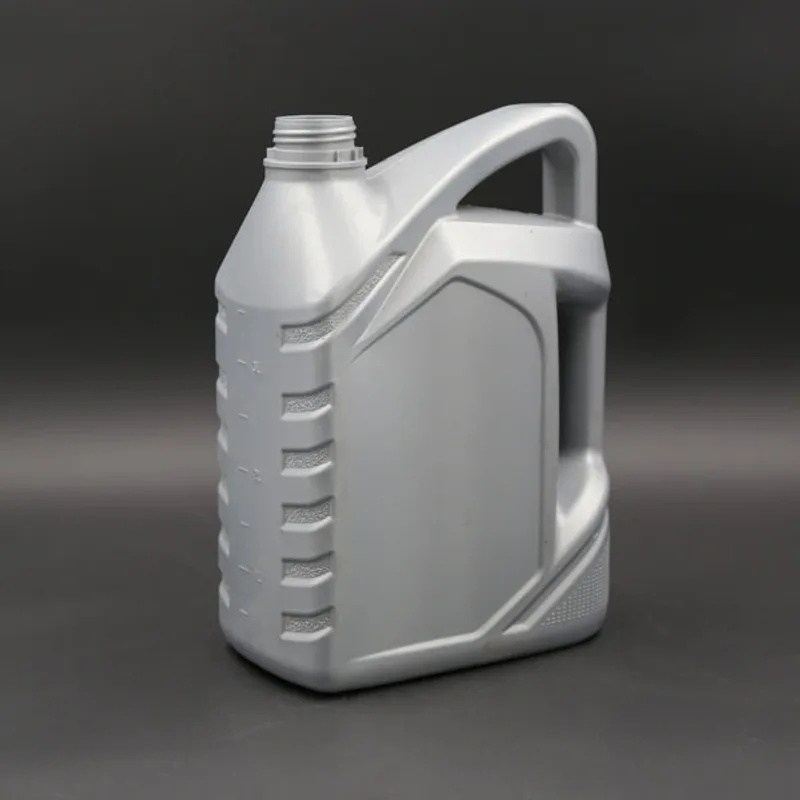
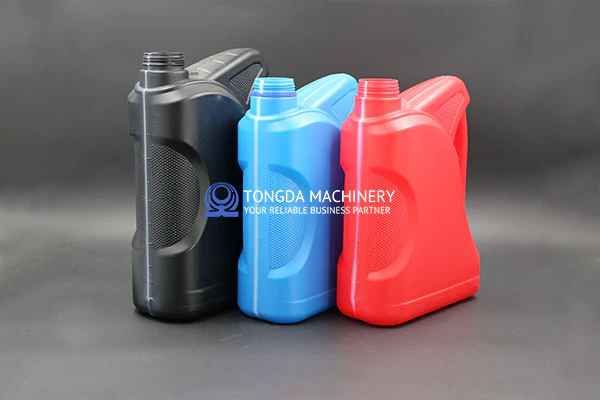
Plastic jerry cans for lubricants, chemicals and food liquids are mostly extrusion blow molded from HDPE. Tongda HS, HT and HTS machines cover cans up to 30 L in single- or double-station layouts, with view stripes and multi-layer walls available.
HS and HTS machines are described in the Tongda jerry can range. Multi-layer construction and a view strip can be discussed for the application; mold design and material requirements determine the final arrangement.
Production process
Blow-molding grade resin, masterbatch and regrind are dosed to the product specification.
The extruder melts the material and the die head forms a hollow tube of controlled wall thickness.
The mold closes on the parison and compressed air forms the part against the cavity.
The part cools in the mold until it holds its shape, then the mold opens and the part is removed.
Flash at the neck, handle and base is removed; necks are cut or reamed where required.
Weight, dimensions and leak tightness are checked before labeling and packing.
Selection guide
Common cans are 5, 10, 20 and 25 L; the volume and gram weight decide the model and clamping force.
Handle shape and neck position decide the parison placement and the blow-pin arrangement.
Barrier layers or a transparent view stripe change the extruder and die head.
Plan leak, drop and stacking tests for the filled can with its intended content.
Machine configurations
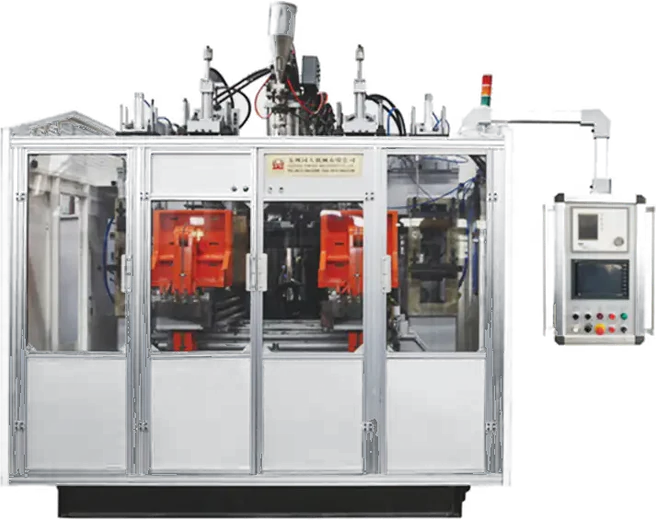
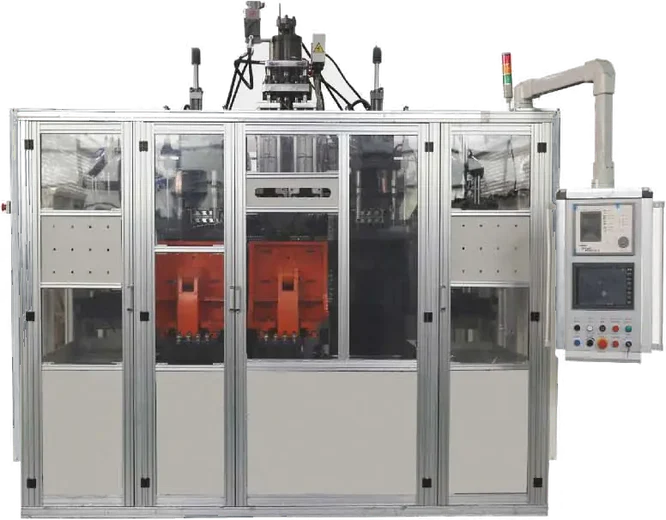
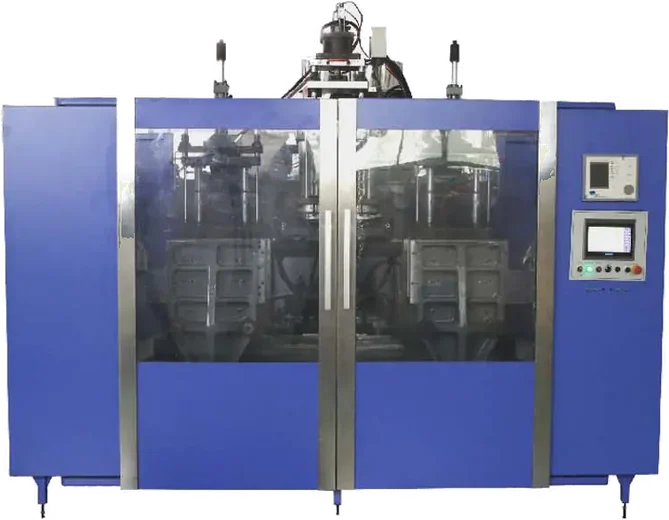
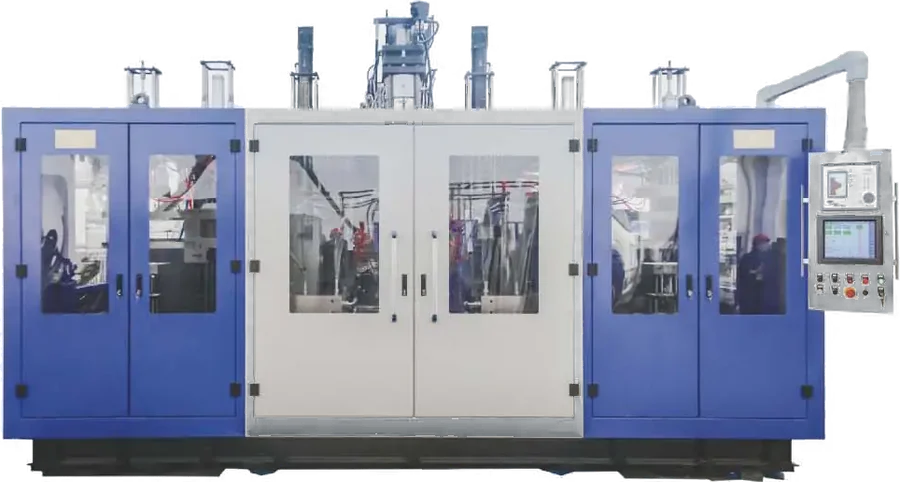
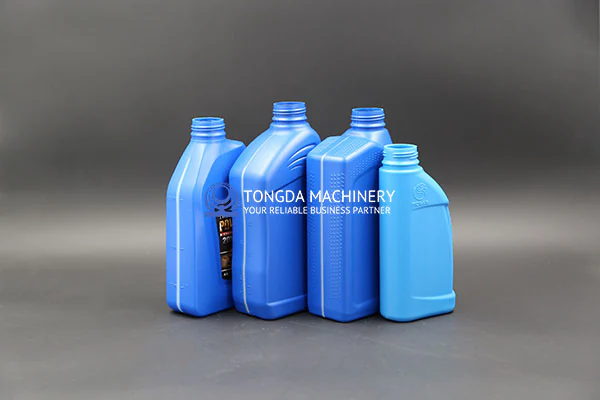
Hydraulic servo extrusion blow molding for jerry cans, with multi-head configurations for smaller bottles.
A hydraulic servo machine for jerry cans and stackable containers, with multi-head options for smaller hollow products.
Double-station extrusion blow molding for jerry cans and stackable containers.
Double-station electric-hydraulic extrusion blow molding for 20–30 L stackable jerry cans.
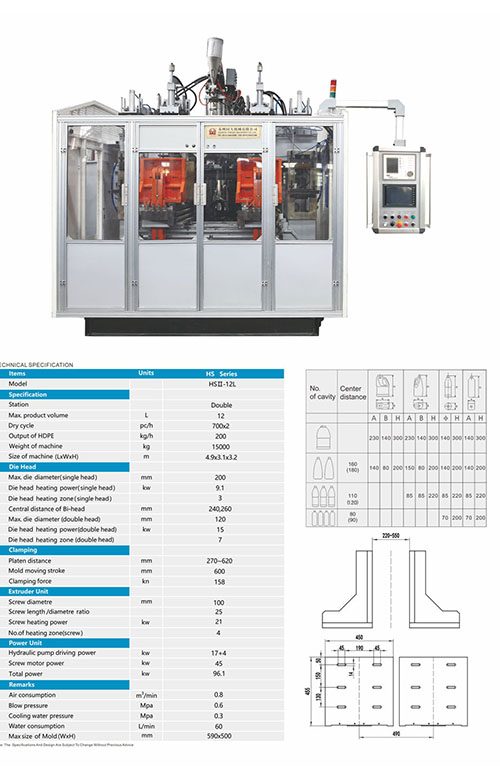
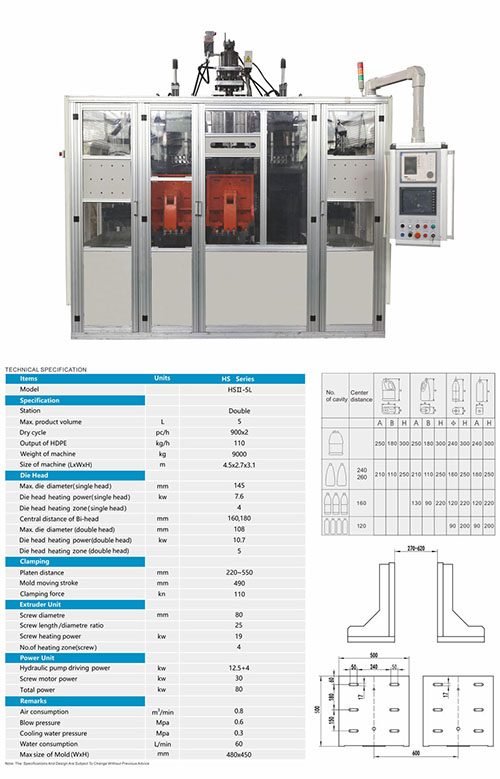
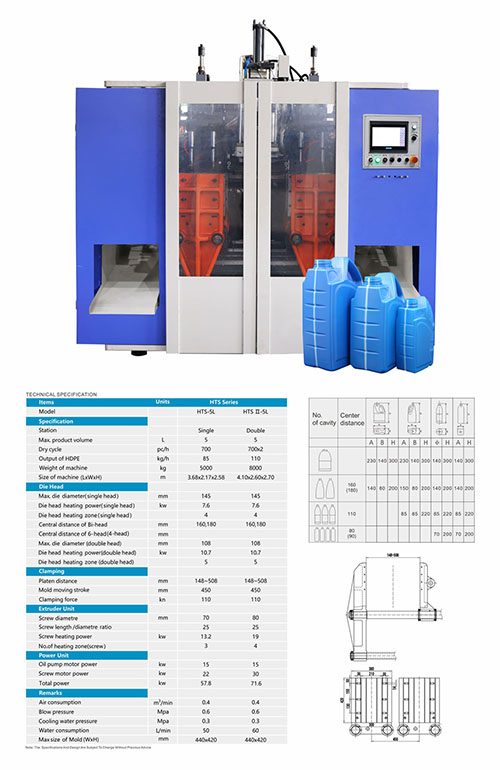
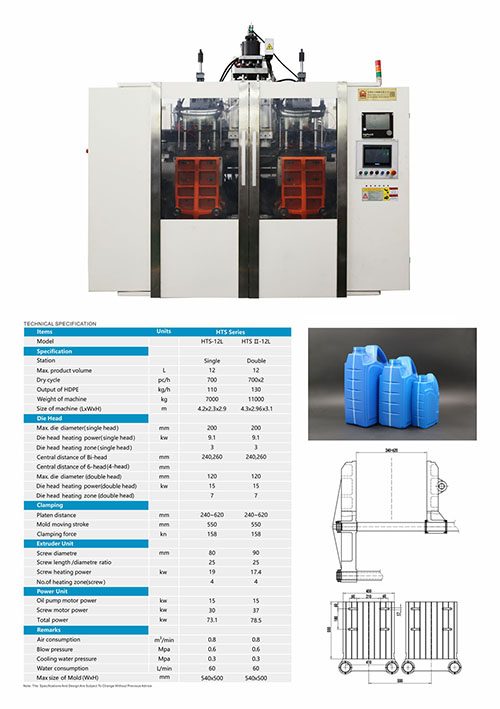
| Model | Stations | Max. volume | Clamping force | Screw | Total power | Max. mold (W × H) | Datasheet |
|---|---|---|---|---|---|---|---|
| HSII-5L | Double | 5 L | 158 kN | 80 mm | 80 kW | 480 × 450 mm | PDF · 1.7 MB |
| HSII-12L | Double | 12 L | 220 kN | 100 mm | 96.1 kW | 590 × 500 mm | PDF · 1.7 MB |
| HTII-12L | Double | 12 L | 110 kN | 90 mm | 78.5 kW | 540 × 500 mm | PDF · 1.5 MB |
| HSII-30L | Double | 30 L | 300 kN | 120 mm | 200 kW | 890 × 680 mm | PDF · 1.7 MB |
Suggested starting points from the published range. The final configuration depends on your product drawing, resin, weight and output target.
Quotations, prices and project cases: Tongda jerry can machines on tongdamachine.net ↗
Machine in operation
Watch a Tongda machine producing this type of product, from parison extrusion to the finished part. For a video of a specific model or configuration, ask our team.
More machine videos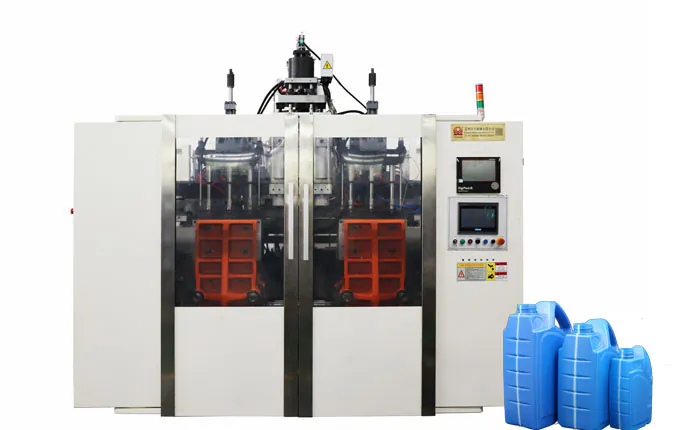


Questions from buyers
Didn't find your answer?
Ask our engineersThe HSII-30L and HWII-30L (formerly HTII-30L) cover cans up to 30 L. For 5–12 L cans, the HSII-5L, HSII-12L and HTII-12L are typical choices.
A double-station machine increases output for the same can by working with two molds. A single station suits lower volumes or larger molds.
Yes. A view stripe can be added on the die head. It is specified together with the can design.
Let's build your next production line
Share your container, material and production requirements. We’ll help you identify a suitable machine configuration.
Discuss your project