
Application engineering guide
Jerry Can Blow Molding: Process, Machines and Checks
How jerry cans are made, which machine fits each can size, and what to specify for material, mold, trimming and quality checks.
How are jerry cans made?
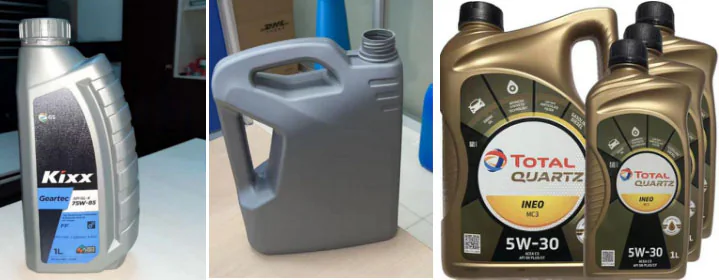
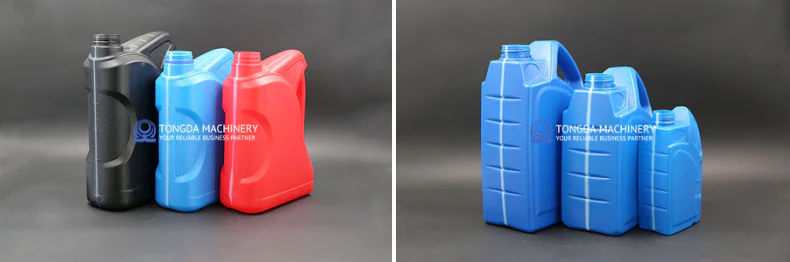
Jerry cans are made by extrusion blow molding. HDPE is melted and extruded as a hollow tube (the parison); the mold closes around it and compressed air forms the body, handle and neck against the cavity. The can cools, is removed, and the flash is trimmed before inspection.
- Melt and extrude HDPE into a parison, with wall thickness controlled along its length.
- Close the mold and blow to form the can, handle and neck.
- Cool and remove the can; double-station machines alternate two molds.
- Trim the neck and flash, manually or with automatic deflashing.
- Check weight, dimensions, closure fit and leak tightness.
| Jerry can size | Machines |
|---|---|
| Up to 5 L | HT-5L, HTS-5L, HTII-5L, HTSII-5L, HSII-5L |
| Up to 12 L | HT-12L, HTS-12L, HTII-12L, HTSII-12L, HSII-12L |
| Up to 18 L | HTII-18L |
| 20–30 L | HSII-20L, HWII-30L, HSII-30L |
Configurations and specifications: jerry can line configurations · Quotations and project cases: Tongda jerry can machines (tongdamachine.net)
Start with the finished product
Making jerry cans involves the material, extrusion system, mold, blow pin, cooling, trimming and downstream handling. Begin with a drawing or sample and define the nominal volume, dimensions, target weight, neck, handle and intended use. Those details provide a better basis for machine selection than the volume alone.
Material preparation
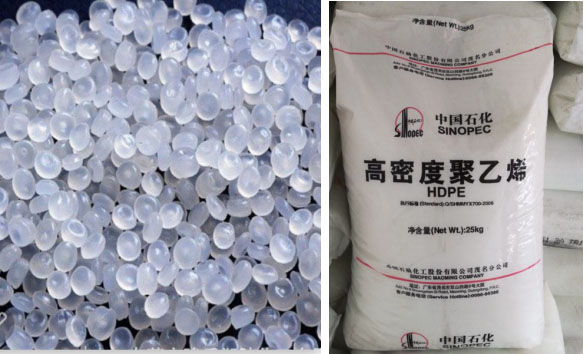
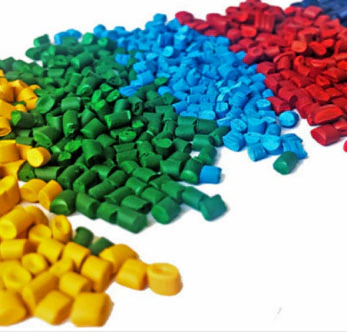
The application range uses HDPE. Specify the resin grade, color masterbatch and any permitted regrind content against the finished container requirements. A material blend is a project decision: it depends on the container’s contents, appearance, physical requirements and the customer’s specification.
How extrusion blow molding forms the container
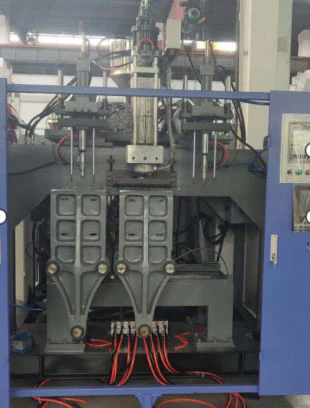
The extrusion system melts the material and forms a hollow parison. The mold closes around the parison, air forms it against the mold cavity, and the part cools before removal. The neck and flash are finished according to the tooling arrangement. The material, parison program, mold and cooling must be tuned together during a production trial. Tongda’s sales site describes these extrusion blow molding machines by container type, from bottles and jerry cans to drums.
Choosing a machine configuration
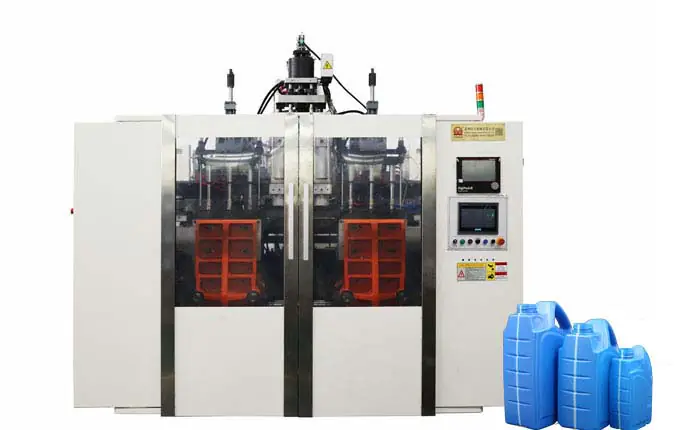
The jerry-can range includes HT, HTS and HS machines. A single- or double-station layout, die-head arrangement, deflashing and handling are selected around the container and required output. HS machines add hydraulic servo control in the machine range; confirm standard equipment and options in the quotation.
| Model | Stations | Stated maximum volume | Clamping force |
|---|---|---|---|
| HTII-5L | Double | 5 L | 70 kN |
| HTSII-5L | Double | 5 L | 110 kN |
| HSII-5L | Double | 5 L | 110 kN |
| HTII-12L | Double | 12 L | 110 kN |
| HTSII-12L | Double | 12 L | 158 kN |
| HSII-12L | Double | 12 L | 158 kN |
What an output figure means
Agree output in accepted containers per hour for a named bottle, resin, weight and cavity arrangement. A dry-cycle rate does not include the complete production process. Cooling, extrusion, wall thickness, trimming and downstream handling affect finished-product output. Use an agreed trial to establish the result for the project.
Extrusion and plasticizing
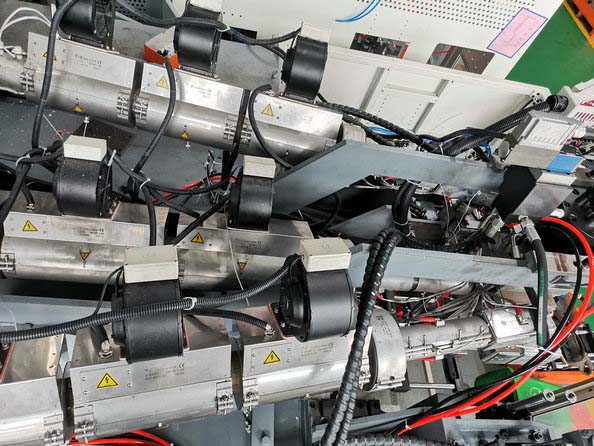
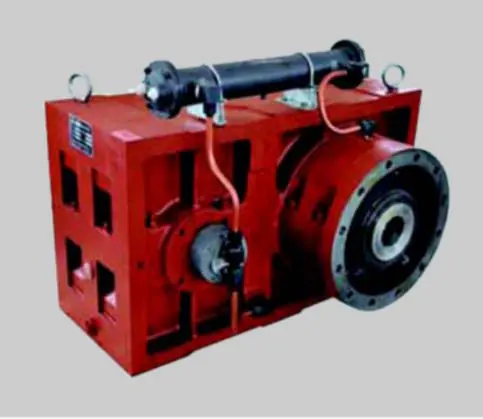
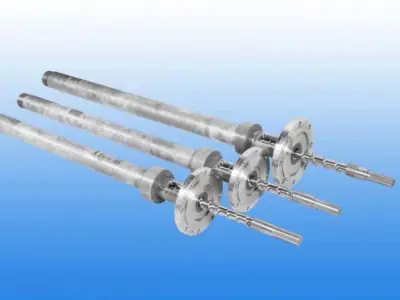
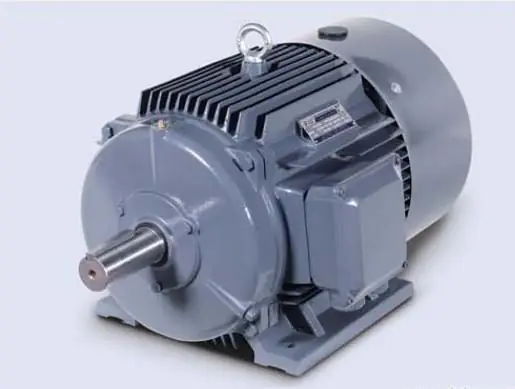
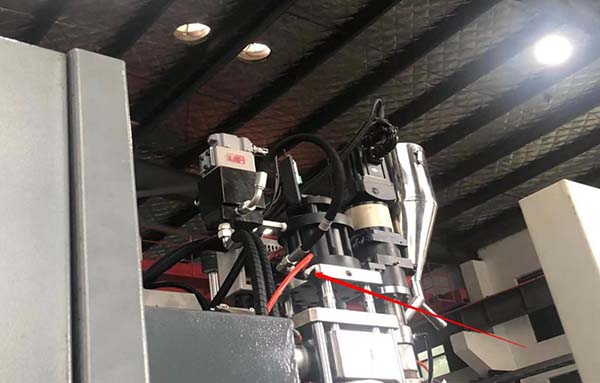
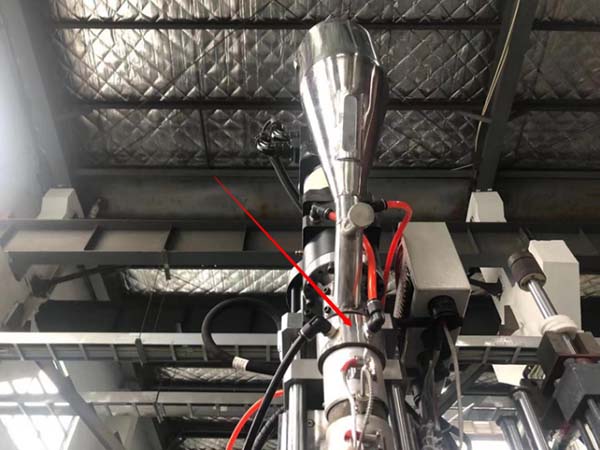
The extrusion-system details identify the gearbox, screw, barrel and driving motor as key components. The screw and barrel affect melting, mixing and delivery of material to the head. Select the configuration for the resin and product requirement; compare the component specification and the supplier’s trial evidence.
Die head and parison control
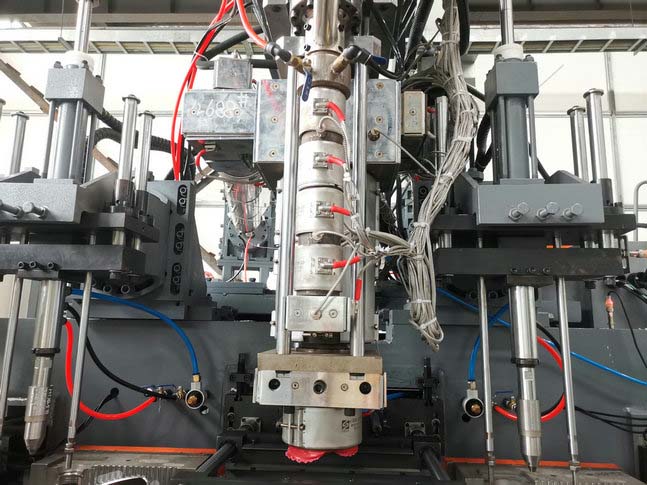
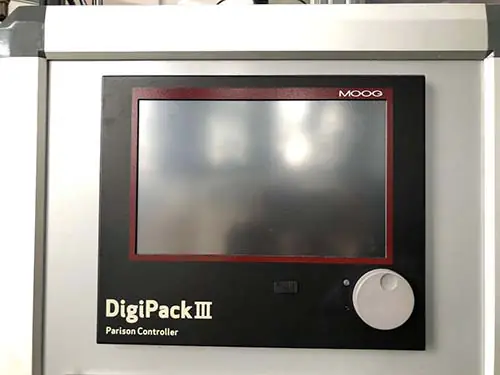
The die head forms the parison from the plasticized material. Its flow path and tooling need to suit the material, product geometry and head arrangement. A parison-control system varies wall distribution along the parison. Evaluate the finished bottle sections, weight and required performance when setting the program during commissioning.
Layers and a view strip
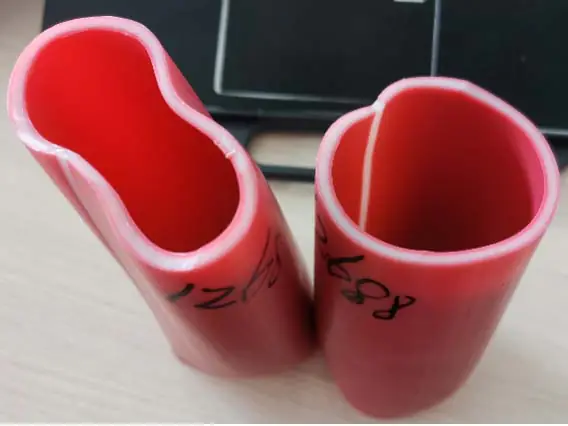
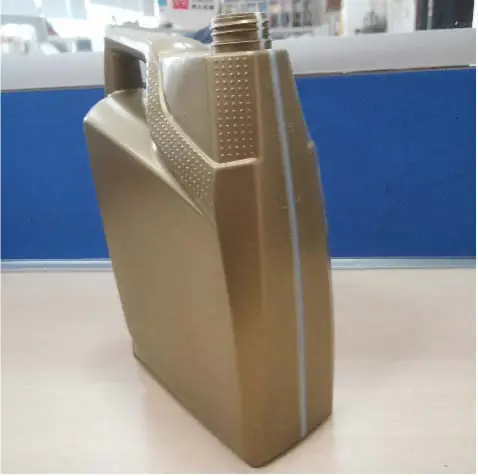
The jerry-can and stackable-can guides describe multi-layer arrangements and a view strip. A view strip helps show the liquid level when the container design and materials permit it. Layer requirements and the use of different materials should be specified for the intended container; they are not interchangeable options for every product.
Mold movement, clamping and blow pins
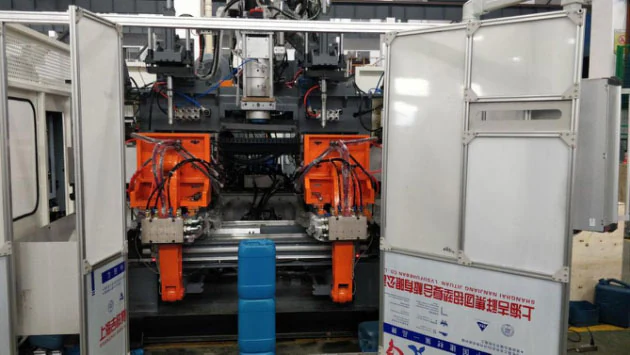
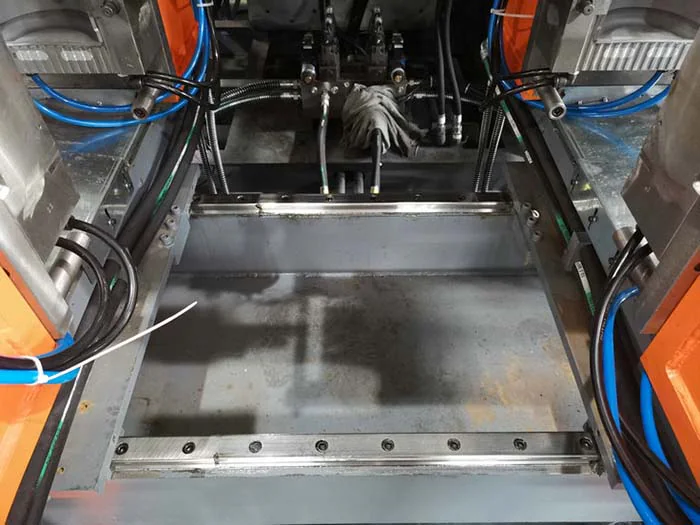
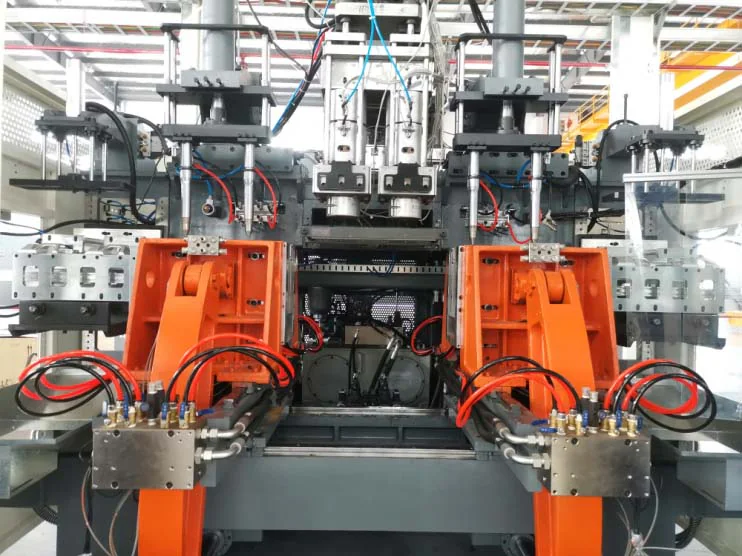
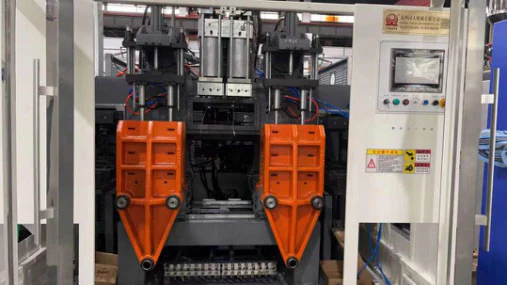
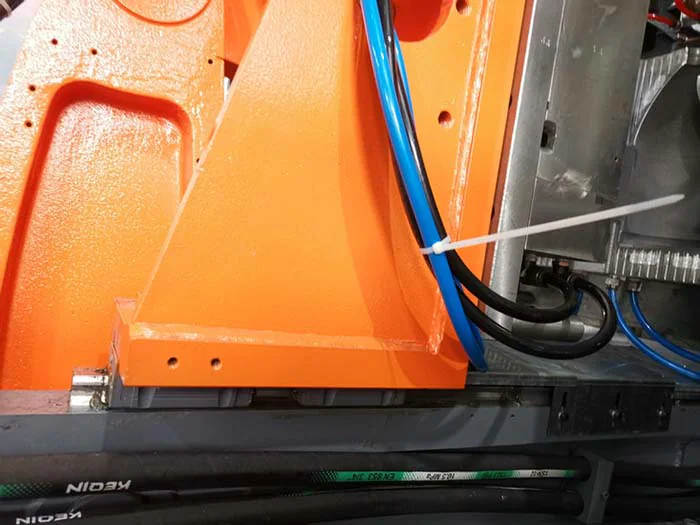
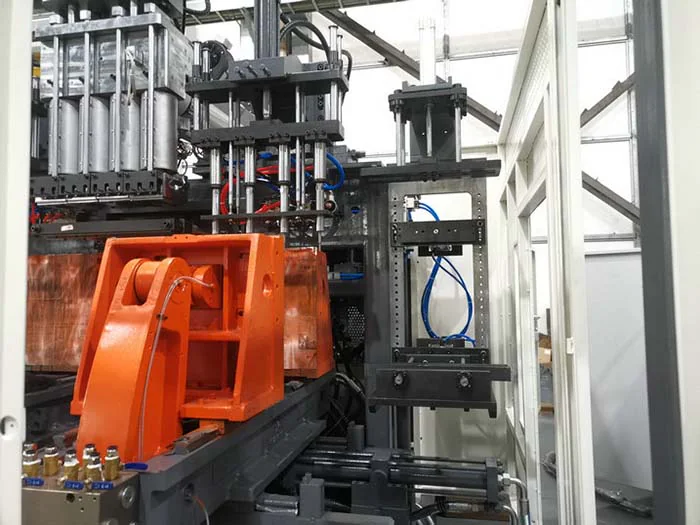
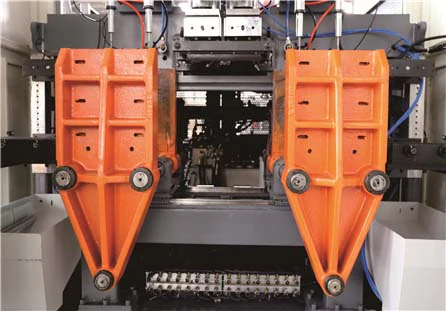
Review the mold’s external dimensions, required opening and mounting arrangement with the machine specification. The machine range shows guided mold movement, toggle clamping and different blow-pin arrangements. Select clamping force and mold support around the actual part and tooling; a larger force alone is not a substitute for a suitable mold design.
Controls and hydraulics
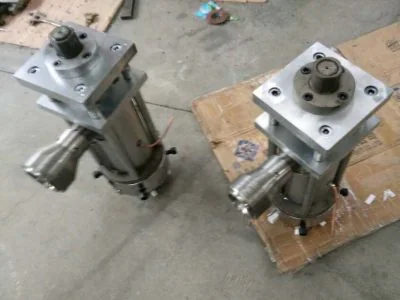
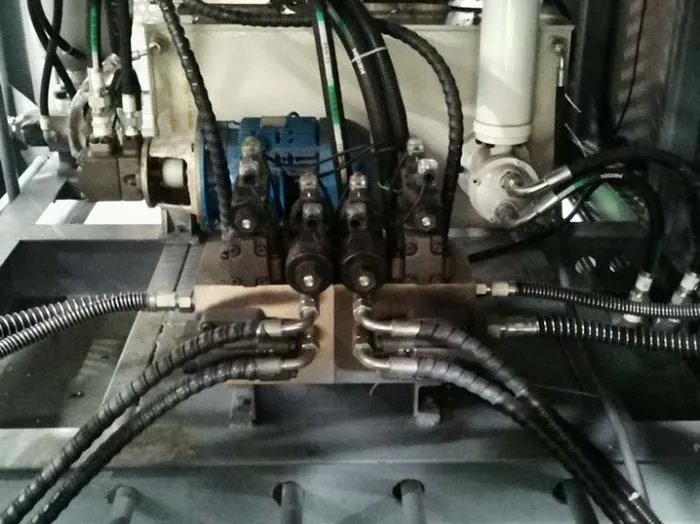
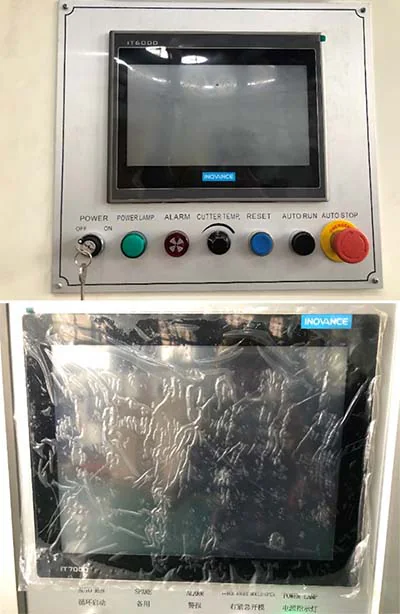
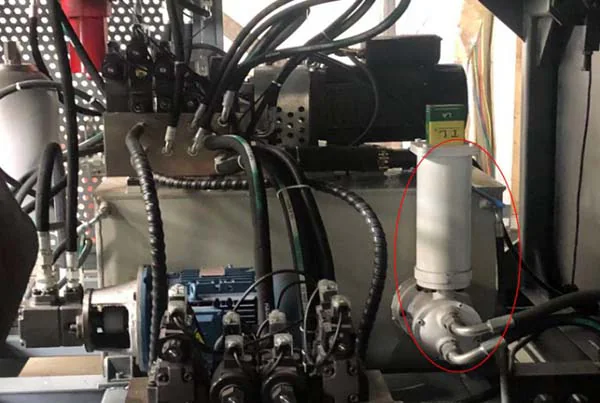
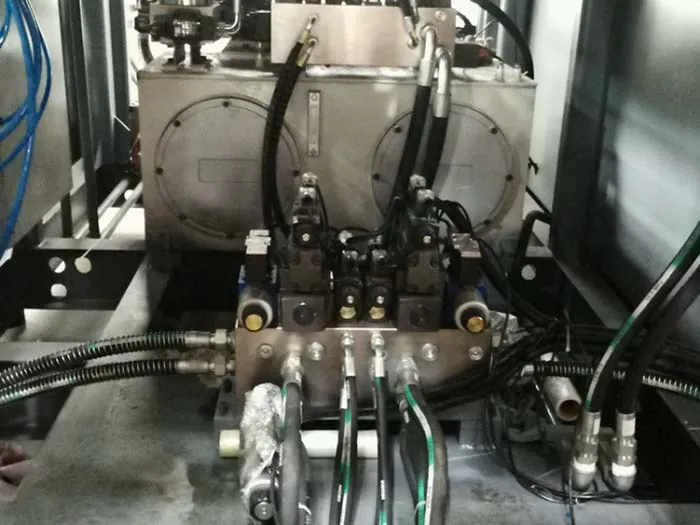
The component illustrations show PLC and touch-screen control, hydraulic valves and parison-control equipment. The interface is used to set, store and monitor operating parameters and display machine faults. Ask for the actual component list and maintenance documentation for the supplied configuration, rather than assuming that every pictured brand is included.
Trimming and handling
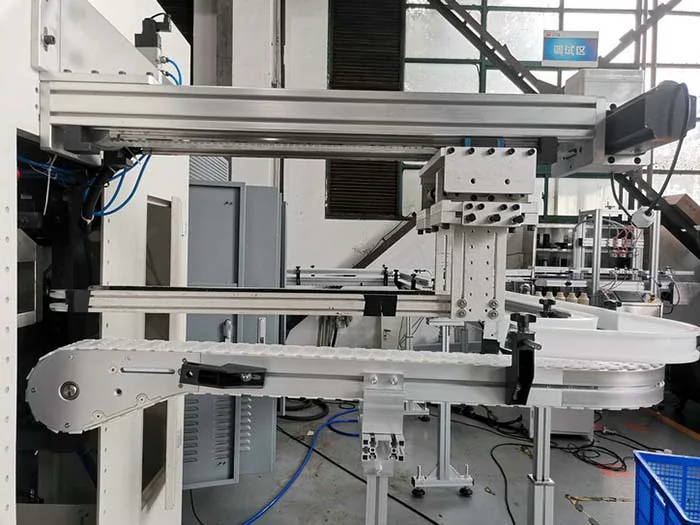
Define how the neck and flash will be finished and how the product will be collected. Automatic deflashing and take-out arrangements can reduce handling steps when they match the mold and container design. Include the conveyor, inspection and downstream interfaces in the project scope.
Auxiliary equipment
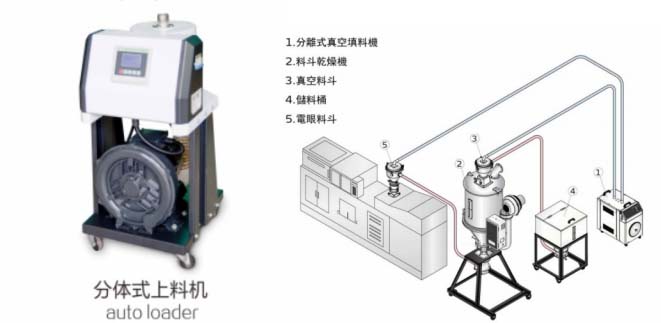
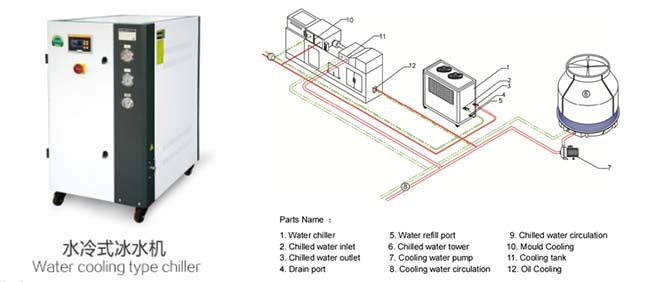
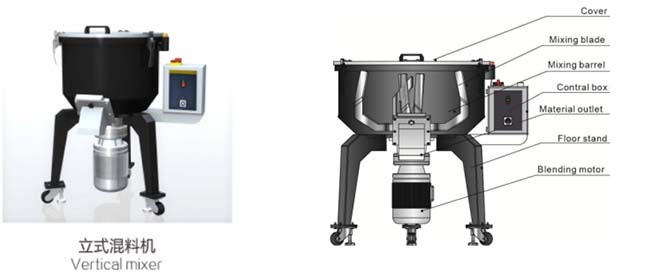
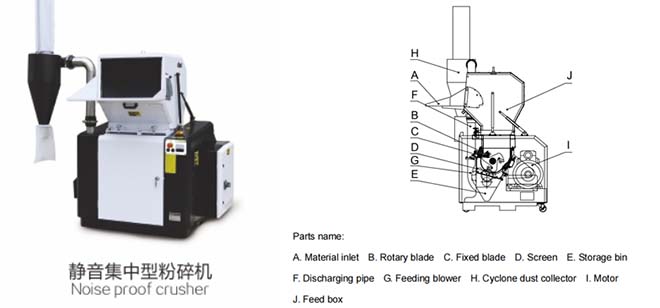
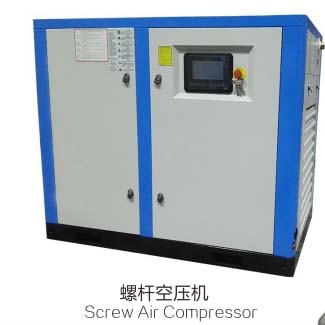
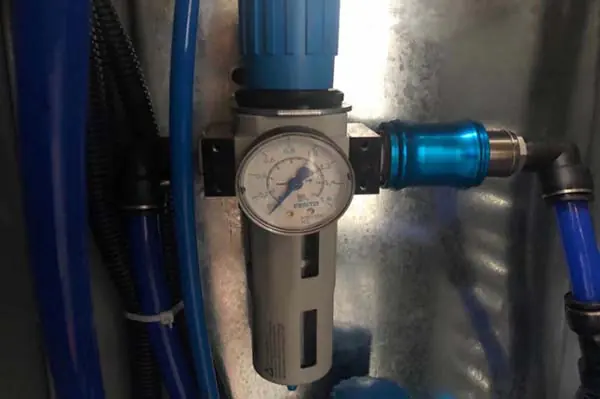
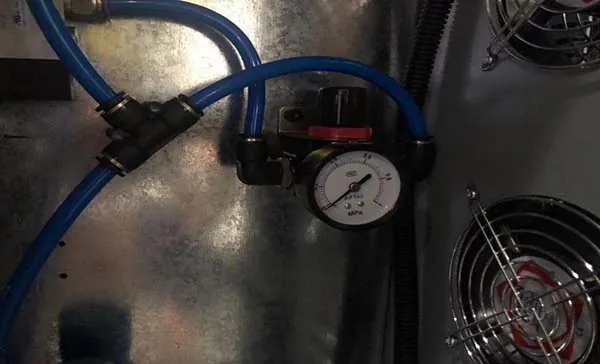
Material loading and mixing, cooling, compressed air and scrap handling all contribute to the production line. The equipment illustrations show autoloaders, mixers, chillers, crushers and air compressors. PC bottle production also includes material drying and mold-temperature control. Size each auxiliary against the actual machine and process requirements.
Factory preparation and utilities
Check the general arrangement drawing, access for installation and maintenance, factory electrical supply, cooling circuit, compressed air and hydraulic requirements. Use the supplied machine documentation for connection and operating values. Installation and adjustments should follow the equipment procedure and be performed by qualified personnel.
Quality checks for the finished product
Agree the container’s weight, dimensions, neck and closure fit, appearance and required leak or performance checks. The actual contents and distribution conditions determine the acceptance requirements. Record the resin and production conditions used for the trial.
Evaluate the supplier and the complete scope
Review the proposed configuration, manufacturing and inspection process, documentation, training, service arrangements and spare parts. Request relevant product videos or a factory discussion, and compare quotations against the same requirements. Include the mold and auxiliaries as well as the machine itself.
Prepare your project brief
Send your drawing or sample, material, volume, target weight, output requirement, head or layer preferences, and factory location. Include any existing tooling and downstream equipment. Continue with the machine selection checklist or the cost planning guide.
Jerry can blow molding FAQ
What material are jerry cans made of?
Blow-molded jerry cans are usually made of HDPE. Specify the resin grade, color masterbatch and any permitted regrind against the contents and the performance the can must meet.
What machine is used to make jerry cans?
An extrusion blow molding machine. In the Tongda range, HT, HTS and HS series machines cover jerry cans up to 12 L, the HTII-18L covers larger stackable cans, and the HSII-20L, HWII-30L and HSII-30L cover 20–30 L cans.
Should I choose a single-station or double-station machine?
A double-station machine alternates two molds, so it suits higher output; a single-station machine suits lower volumes and simpler projects. Decide from the accepted cans per hour you need, the die-head arrangement and the budget.
How many jerry cans can a machine make per hour?
It depends on the can weight and design, resin, number of die heads and cavities, and cooling time. Agree output as accepted containers per hour for your named can in a production trial, not as a dry-cycle rate.
Can a jerry can have a view stripe or several layers?
Yes, when the container design and materials permit. A view stripe shows the liquid level; multi-layer structures are specified for the intended contents. Both need to be stated in the machine and mold specification.
How much does a jerry can blow molding machine cost?
The price depends on the machine configuration, number of stations and die heads, the mold, deflashing and handling, and auxiliary equipment. Compare quotations against the same container, output and scope; the cost guide lists what to include.
See the process
Let's build your next production line
Your product.
The right machine.
Share your container, material and production requirements. We’ll help you identify a suitable machine configuration.
Discuss your project