
Find Your Blow Molding Machine
Compare the Tongda range, from small bottles to drums and technical hollow products.
ExploreManufacture better extrusion blow moulding machines for you.
News & technical articles
Pallet performance depends on the product design, material, mold and production process working together.
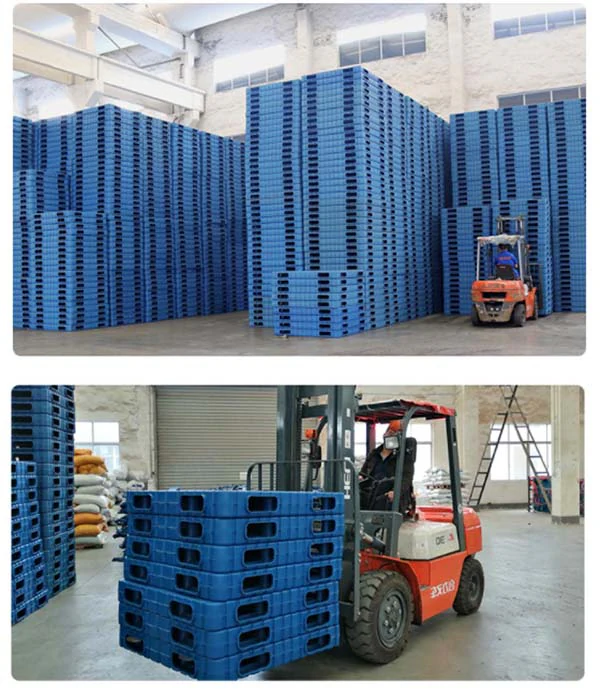
Review the parison size and distribution against the pallet geometry. The head, mold and forming sequence need to deliver material to the critical parts of the product. Establish the settings in a controlled trial and assess the finished pallet rather than relying on a nominal machine size.
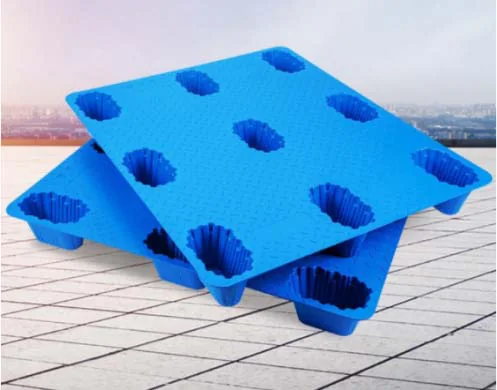
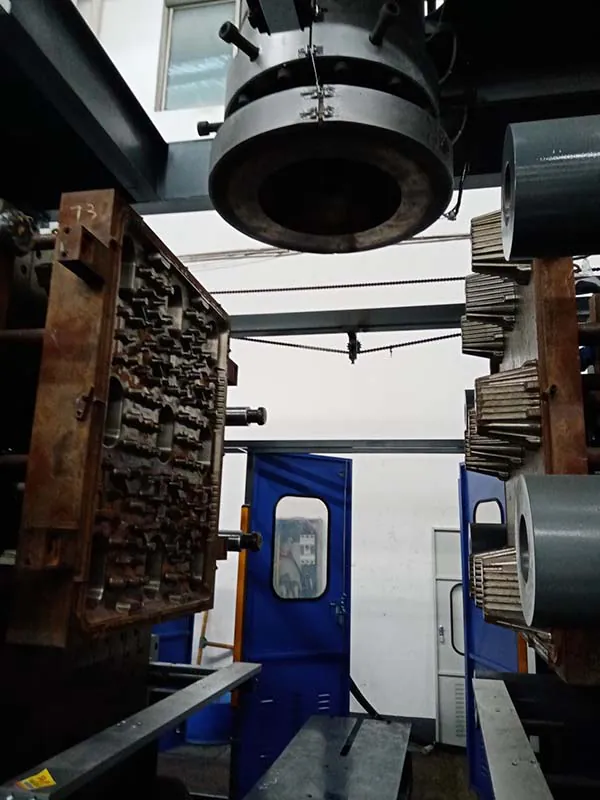
The original article uses HDPE as an example. Specify material for the required impact, load and environmental conditions. Any use of regrind should be controlled and evaluated on the finished product.
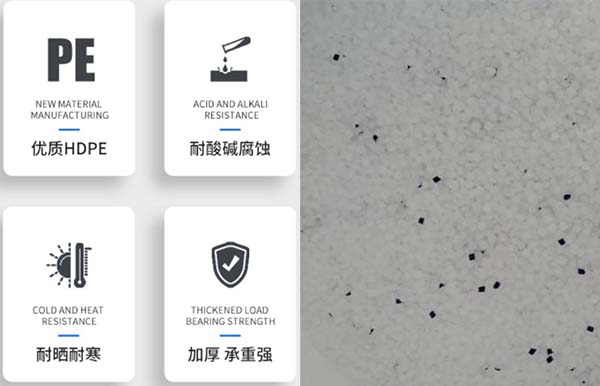
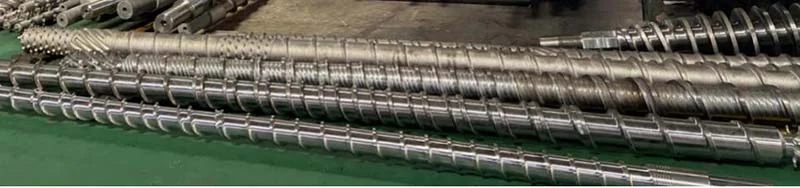
Screw and barrel design affect material preparation and delivery to the die head. Match the plasticizing arrangement to the chosen material and the quantity of material required by the product.
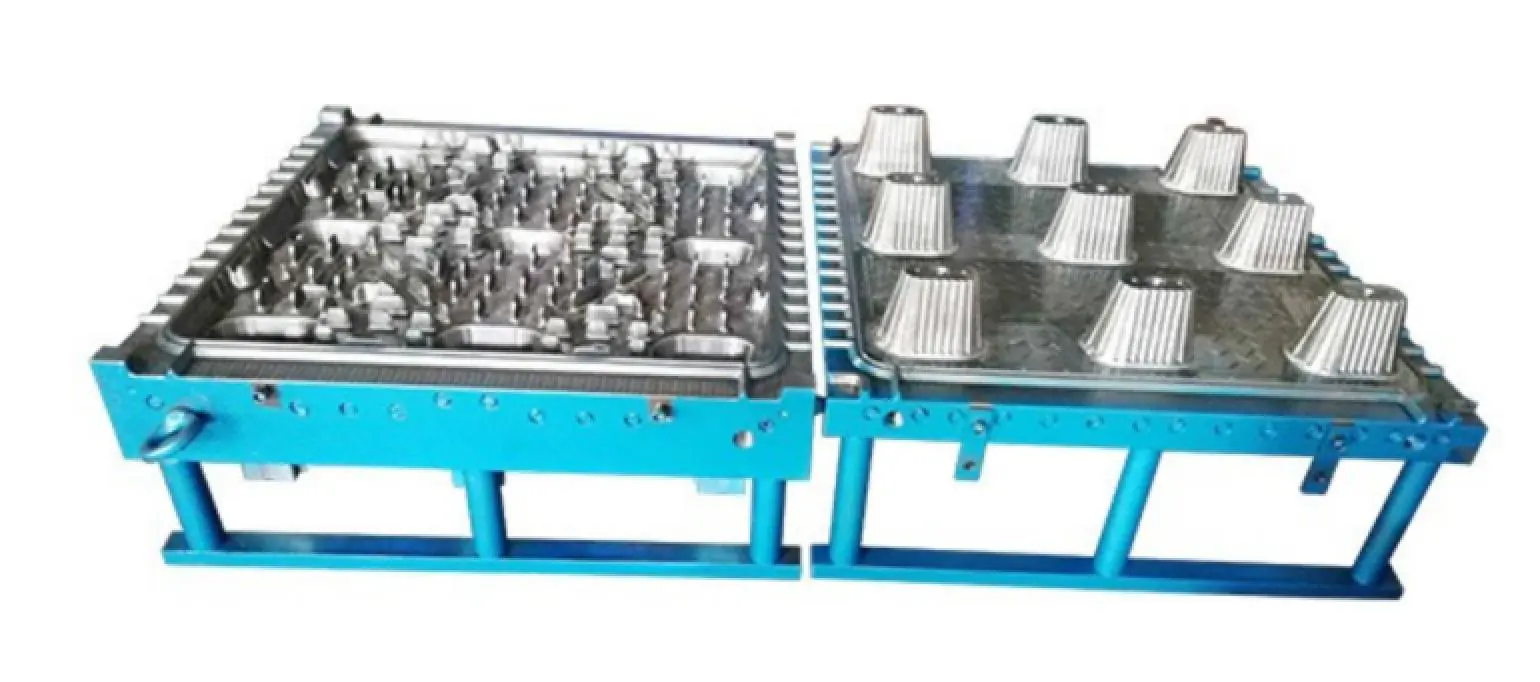
Consider the pallet’s load paths, ribs, forming depth, release angles and mold cooling. The design should support the required performance and allow consistent molding and part removal. More reinforcement is not automatically a substitute for testing the finished design.
Define a consistent material-handling and regrind procedure. Record the blend and molding conditions used in the trial, then evaluate the pallet against the agreed dimensional, appearance and load requirements.

Share the pallet drawing, intended load and handling conditions, material and output requirement. Explore large panels and pallets for related equipment.
Let's build your next production line
Share your container, material and production requirements. We’ll help you identify a suitable machine configuration.
Discuss your project