
Find Your Blow Molding Machine
Compare the Tongda range, from small bottles to drums and technical hollow products.
ExploreManufacture better extrusion blow moulding machines for you.
News & technical articles
Understand the difference between the blow molding process, the head arrangement and the machine configuration when discussing equipment.
Blow molding describes a family of processes for making hollow plastic parts. In extrusion blow molding, an extruder forms a molten tube, or parison. A mold closes around it and air expands it against the cavity. Injection blow molding and stretch blow molding form and handle the starting shape differently; their machines should not be treated as interchangeable.
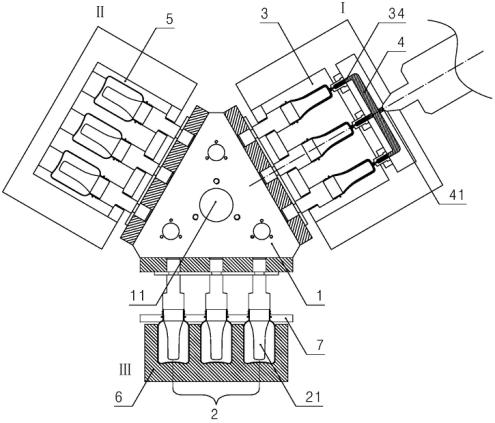
In this range, an extrusion blow molding machine combines the extrusion and die-head system, mold clamping, blowing, controls and product handling. Product size, material, wall distribution and mold dimensions determine the suitable arrangement.
The original article distinguishes continuous-extrusion configurations used for smaller bottles and containers from accumulator-head configurations used for larger hollow products. The choice depends on the product and process requirements, including the weight of material needed for the parison.
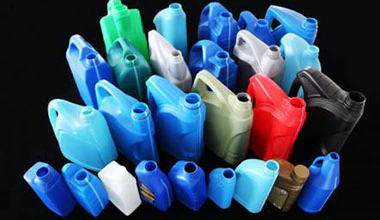
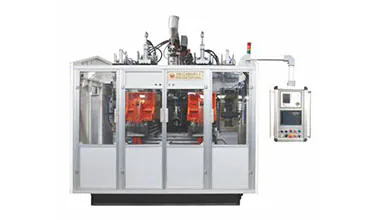
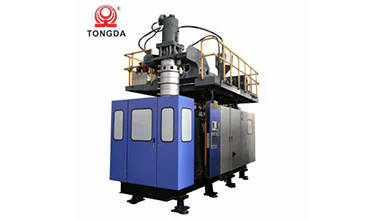
A bottle, drum, panel and technical hollow part present different requirements. Define the part geometry, resin, target weight, neck or openings, required output and finished-product checks. Then review the machine, mold and auxiliary equipment together.
Compare the published machine range and use the selection guide to prepare your enquiry.
Let's build your next production line
Share your container, material and production requirements. We’ll help you identify a suitable machine configuration.
Discuss your project